
Byron’s Disease
‘So we’ll go no more a-roving…’

I’m grateful for the existence of Substack. In an era of telegraphic expression, it offers an outlet for more considered form. Personally, it has given me an opportunity to publish material that might not have seen the light otherwise - too long for Facebook, too short for Kindle, let alone paper or hardback. The process has evoked a vicarious sense of what 19th century authors must have felt when producing whole novels in serial. I’ve been able to bring to an audience, however small, early tryouts at fiction, labelled Errata, an oblique reckoning at mid-life, Autobiography of a Francophile, and an entr’acte of poems performed in various venues during the past decade.
My previous published work appeared in book, magazine or periodical form before the digital world existed or had taken full grip. A couple of unpublished pieces lurk in old files, and I’ve pondered whether to afflict Substack readers with them, but wisdom has suggested otherwise. If I were a journalist mainly, a political commentator or, as a creative, a poet or writer of short tales, I might do so - Substack serves these genres admirably. But for longer fiction and non-fiction, such as memoir or social history, traditional means still seem more suitable; so I may return to Kindle or POD for what is left in ‘the drawer’ - or maybe just leave the drawer unopened.
‘Scribbling is a disease I wish to be cured of,’ Byron wrote, pretending his own was mere dilettantism, at least when measured against aiding revolution in Greece. This was disingenuous, but one knows what he meant, and for years I’ve been trying to shut myself up - please! no more inspiration. Jerry Garcia, on the other hand, simply shrugged and confessed to being ‘a music junkie’; and I’ve come to realize, as Byron would have had the dilettantism of revolution had not done him in, that being a ‘writing junkie’ is possible too. You feel it in the arms and the fingers as well as the mind. You miss it when not doing it, the psycho-physical act, even if inspiration has fled. One should shut up - silence is golden, etc. - but can’t seem to.
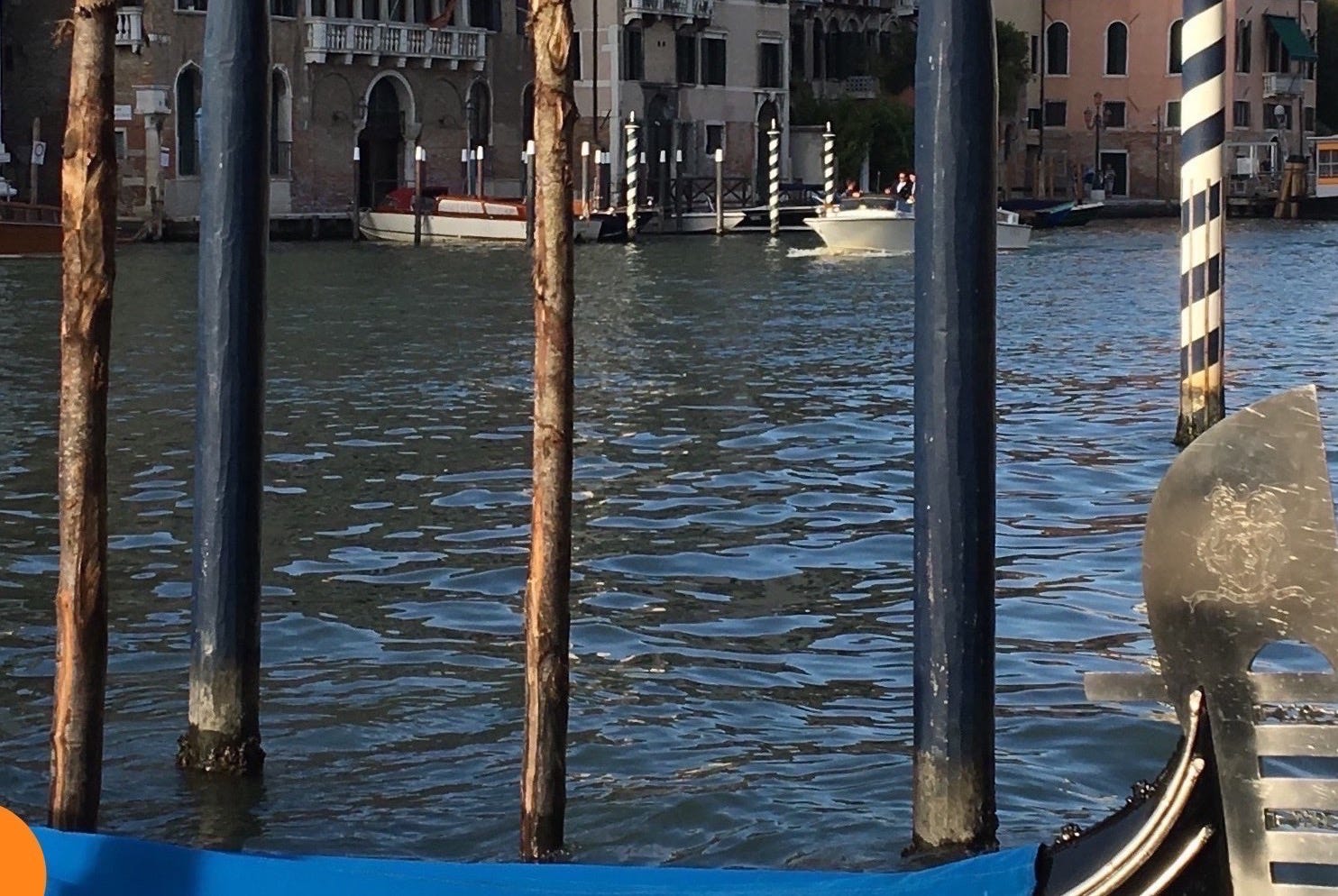
The end will be nigh soon enough, a spectre breathes, so what the hell? To go on or fall silent may be the question, but Destiny decides, so the answer is suspended. In the meantime, younger, more radical or au courant voices are vying to be heard, and thank Substack for providing them a platform alongside this refreshed oldie. To it and to all who have read my poor words, I am grateful. As a poet-professor once told me1, the creative act is not complete until it reaches an audience. He ended, alas, en route to Venice to see if the waters of the Grand Canal shimmered in reflection on a ceiling of the Hotel Gritti the way Hemingway told it in Across the River and into the Trees… some unknown god’s well-designed finis for a fellow sufferer from Byron’s disease.
Robin Gadjusek, San Franciscan in Paris at the first Shakespeare & Co. literary festival, 2003.
one must keep writing.
yes right you are one gets hooked on writing or the internal monologue...but how could you say to someone now ..you look serene like the low fainted sound of a hymn that lingers after an angel leaves???